
John M. | Red Phoenix correspondent | Colorado–
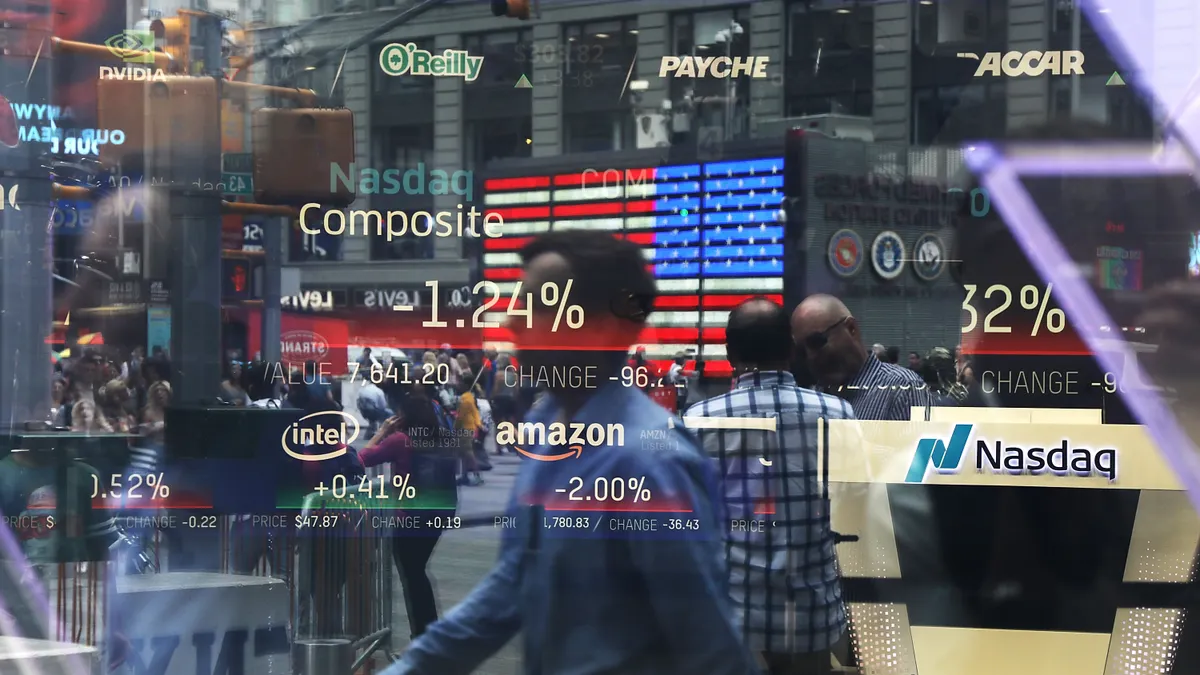
As 2026 unfolds, working-class families across the United States face yet another assault on their living standards, with a majority of small and medium-sized businesses (SMBs) poised to implement price increases in response to the systemic instabilities of capitalism. A Vistage survey of 1,202 SMB executives, conducted between Dec. 2 and 16, 2025, reveals that 57% planned to raise prices over the following three months; with 8% of these anticipating hikes exceeding 10%. This development, often spun by corporate media as a pragmatic adaptation to “uncertainty,” exemplifies how capitalists shift the costs of their profit-driven crises onto the masses.
The survey paints a picture of fragile optimism among CEOs, with confidence indices ticking up to 88.9 in Q4 2025 from 81.9 the prior quarter—yet still lagging behind pre-crisis levels.
Vistage’s chief research officer, Joe Galvin, attributes this not to genuine economic recovery but to a grim “familiarity” with ongoing chaos: rising costs in materials, labor, and logistics, compounded by uneven demand and policy shifts. Inflation, while easing to 2.7% annually, continues to erode real wages, fueling household debt and a slowdown in the labor market. Consumer confidence plummeted to near-historic lows by Dec. 2025, signaling the proletariat’s growing disillusionment with a system that promises growth but delivers only austerity.
This trend isn’t isolated; it’s symptomatic of broader capitalist dynamics unraveling in 2026. Multiple sources confirm that U.S. tariff policies—escalated under protectionist regimes—are a primary culprit, inflating input costs and forcing businesses to pass the buck downstream. The Washington Center for Equitable Growth reports that firms like Ford, General Motors, and Stellantis have already absorbed billions in tariff hits, with annual projections reaching $4.5 billion for GM alone, leading many to hike prices or deplete inventories. Sectors hit hardest include transportation equipment and manufacturing, where tariffs on steel, aluminum, and copper can exceed 50%, comprising over half of some products’ costs. Retailers, too, face ripple effects: Brazilian coffee imports slapped with 50% duties have driven local prices to $45 per pound, halting supplies and foreshadowing broader consumer gouging.
These developments expose the inherent contradictions of monopoly capitalism. Under this anarchic mode of production, where competition among capitalist-imperialist powers breeds trade wars, the bourgeoisie resorts to tariffs not to “protect jobs” but to shield domestic profits from global rivals. Such measures only intensify exploitation at home. Businesses mitigate costs through layoffs or temporary fixes like shrinkflation, where package sizes shrink to mask price creeps. Meanwhile, token investments, such as Stellantis’s $13 billion pledge creating 5,000 jobs, serve as propaganda to obscure the net labor market instability.
The sharpening class antagonisms expose the fragility of capitalism more starkly than ever. Workers face not abstract “uncertainty,” but concrete robbery: higher rents, groceries, and utilities, all while wages lag, breeding discontent. Consumer confidence has already tanked, labor markets show fragility, and SMBs themselves admit thin margins leave little room to absorb hits without squeezing labor or consumers further.
The working-class has the power to turn this crisis against its creators. As prices climb and living standards erode, the objective conditions ripen for heightened class struggle: strikes, union drives, demands for wage indexing, price controls, and nationalization of key sectors. Every overcharge at the store, every tariff-driven gouge, is another lesson in the need to abolish private profit and replace bourgeois anarchy with socialist planning. The capitalists may sell us the ropes today, but tomorrow those same ropes will bind their system to be heaved into the dustbin of history.
Categories: Economy, U.S. News
 Trump regime aids corporations via tax dodges, gambling the future of U.S.
  U.S. ditches 66 global bodies to unleash unilateral domination
  Twin Cities general strike, coordinated actions demonstrate resolve of the people
  Unemployment surge signals deeper cracks in U.S. labor market
  The Red Phoenix