
John M. | Red Phoenix correspondent | Colorado–
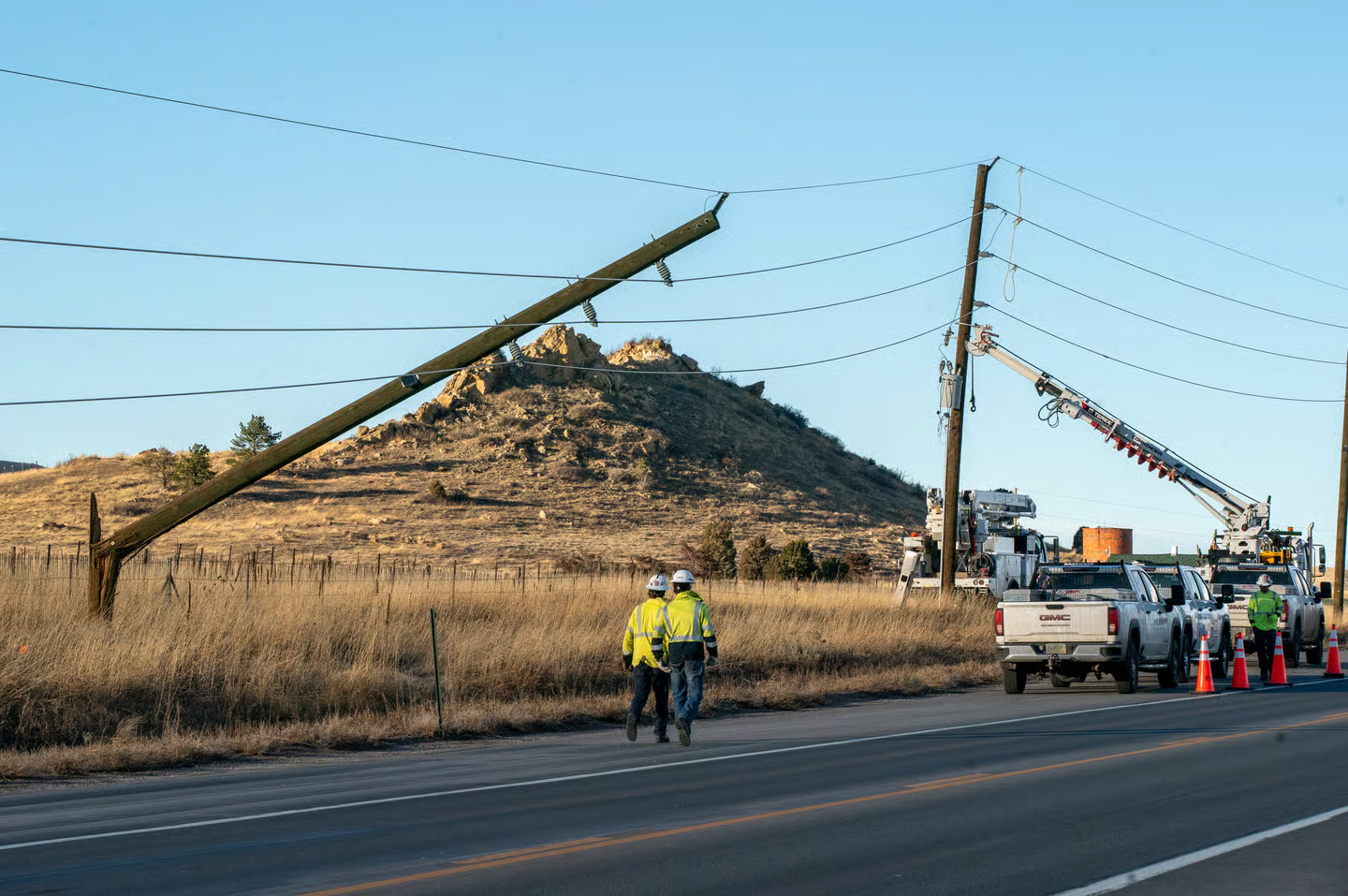
During the weekend of Jan. 17, residents of Fort Collins and surrounding areas in Northern Colorado braced against ferocious winds that howled through the region, with gusts reaching up to 80 mph. The storm forced road closures, triggered dust storms, and led to precautionary power shutoffs affecting thousands of households. Xcel Energy cut power to about 9,000 customers to mitigate wildfire risks amid dry conditions, leaving working families without heat or light while overnight temperatures were as low as 19 degrees. Highways like I-25 were shut down north of the city due to blow-over risks for trucks and high-profile vehicles, disrupting commutes and supply chains for essential workers.
This extreme weather event comes on the heels of what meteorologists are calling the warmest December on record for Fort Collins, dating back to 1893. In Dec. 2025, average temperatures soared more than 3 degrees above the previous high, with 26 out of 31 days exceeding the normal high of 44 degrees Fahrenheit. The city even hit 70 degrees or warmer on three separate days – a new benchmark for winter warmth. January has continued the trend, with the early weeks feeling more like spring than the heart of winter, contributing to a snow drought that’s raising alarms about water supplies for the coming summer.
These are not isolated incidents, but symptoms of a larger crisis driven by human-induced climate change. Warmer global temperatures, fueled by greenhouse gas emissions, are altering weather patterns across Colorado, America, and the world. A warming atmosphere holds more moisture, leading to intensified storms when conditions shift. In this case, the record warmth in December likely contributed to the dry, fire-prone conditions that amplified the weekend’s wind risks.
Although this warm weather in the midst of winter may be a welcome break from freezing temperatures, this trend can lead later to more severe cold weather and volatile storms that will cost lives. The Great Ice Storm of 1998 in Quebec dropped more than three inches of freezing rain, killed 34 people, left four million people without electricity, and caused damages costing between $5-7 billion, and it followed one of the warmest years recorded in Canadian history.
Colorado’s average temperatures have risen, causing snow to melt earlier and reducing overall snowpack by up to 23% since the mid-20th century. This “snow drought” means drier soils and vegetation, making areas like Fort Collins more vulnerable to high winds that kick up dust and spread fires. Climate models show that heat waves, droughts, and heavy precipitation events are becoming more frequent and severe in the state. Winds like those this weekend are linked to stronger pressure gradients from warming, which can disrupt the jet stream and create volatile fronts. Studies predict more intense rainstorms and floods as the atmosphere’s moisture capacity increases by about 7% per degree Celsius of warming.
Since 2000, Colorado has seen a doubling in burned areas due to climate change, with the state’s five largest wildfires all post-2012. Droughts – four major ones since 2000 – intensify this, turning forests into tinderboxes and heightening wind-driven fire risks. Projections indicate these patterns will worsen without drastic cuts in emissions. By 2050, Colorado could face even hotter summers, prolonged droughts, and more frequent extreme events, threatening agriculture, water security, and public health.
This isn’t just “nature” acting out. It’s the direct result of a capitalist system that prioritizes corporate profits over the safety and well-being of the working-class. Fossil fuel giants and big energy companies continue to extract and burn coal, oil, and gas, pumping billions of tons of carbon into the atmosphere each year, all while lobbying against regulations that could curb emissions. In Colorado alone, the oil and gas industry fights tooth and nail against cleaner energy transitions, even as events like this weekend’s winds expose the vulnerabilities of our outdated infrastructure, such as power lines that spark fires or grids that fail under stress.
For the working-class, these extreme weather conditions bring new threats to their livelihoods. Utility shutoffs hit low-income households hardest, forcing them to choose between food and emergency generators. Road closures delay essential workers like truck drivers and nurses, while dust storms choke the air for farm laborers and construction crews already exposed to hazards. Capitalism’s endless quest for growth ignores these human costs, treating the planet as a resource to exploit rather than a home to protect. As long as profits trump people, we’ll see more of these disasters, with the elite insulated in their gated communities while the rest of us suffer.
Make no mistake, this is a class-war, and the working class must lead the charge against the ruling class. We can’t recycle our way out or wait for politicians bought by big oil to suddenly “realize that climate change is bad”. We should not only build up our community organizations so that we can protect our neighbors against the effects of climate change but we should actively build up a struggle against the origin of climate change itself. Join unions, organize strikes against polluters, and build solidarity for a future where production serves people and the planet, not profits. Demand worker control of energy industries, massive public investment in green jobs, and an end to fossil fuels. The winds of change are blowing. Workers are the ones who make the cogs run, united, we can stop them too.
Categories: Environment, U.S. News
 Oregon’s record low snowpack is a symptom of capitalist greed
  Capitalist interests target climate research center in Colorado
  Price of climate change, Hurricane Melissa leaves Caribbean in ruins
  A.I. data centers cause rising electricity cost for consumers
  The Red Phoenix