
John M. | Red Phoenix correspondent | Colorado–
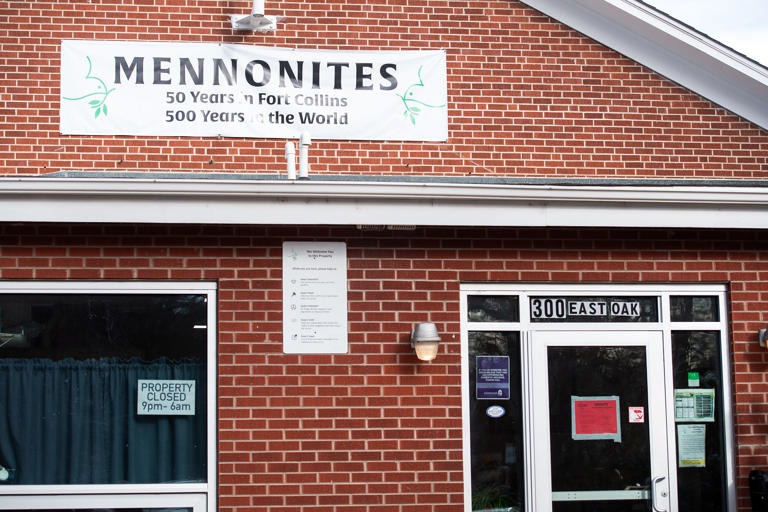
A well established community center in Old Town Fort Collins, Colorado, the Fort Collins Mennonite Fellowship church, has been abruptly shut down by city officials after tests revealed widespread methamphetamine contamination throughout the building. The closure has displaced around 15 unhoused individuals who relied on the church as a vital overnight shelter, forcing them back onto the streets in freezing conditions.
The church, operating under a temporary city permit, provided essential services including beds for up to 15 people six months out of the year, hot meals, showers, and a food pantry. Pastor Steve Ramer described the shutdown as “devastating,” noting that trained staff and volunteers enforced strict no-drug rules on the premises. Despite these efforts, ongoing drug-related activity in and around the building led to the contamination, prompting police and city officials to placard the property as unsafe under local building codes.
City Assistant Manager Rupa Venkatesh confirmed the decision was based on repeated service calls and incidents, emphasizing that the church could reopen after professional testing and remediation. Yet for those displaced, the immediate reality is glaring: no indoor refuge, heightened exposure to the elements, and deepened vulnerability in a city where shelter options remain severely limited.
This incident isn’t just a local tragedy, it’s a stark illustration of how class divisions under the current economic system perpetuate cycles of poverty, addiction, and displacement. The people affected here are overwhelmingly from the working class: low-wage earners, gig workers, and those pushed to the margins by job instability and skyrocketing living costs. In a setup where profits come before people, corporations and landlords prioritize maximizing returns over providing stable homes, leading to evictions and a growing unhoused population. Fort Collins, like many U.S. cities, has seen homelessness rise as real estate speculation drives up rents and home prices, turning housing into a commodity rather than a basic right.
Drug issues compound this crisis. Methamphetamine use often stems from the despair and alienation bred by economic insecurity—long hours, dead-end jobs, and lack of mental health support leave many turning to substances as a coping mechanism. Drug policy reforms, while presented as progressive steps forward, often fall short in addressing these core drivers. Measures like harm reduction programs, decriminalization efforts, or expanded treatment access sound promising, but under a system where healthcare and recovery services are treated as marketable commodities, they remain inaccessible to those most in need. Waitlists stretch for months, facilities demand upfront payments many can’t afford, and root causes—poverty wages, job insecurity, and social isolation—go untouched. Without dismantling the economic structures that breed despair, these reforms merely manage the symptoms, allowing the crisis to persist and intensify. In Colorado, where fentanyl and meth overdoses have surged despite policy tweaks, the pattern is clear: superficial changes can’t break a cycle fueled by inequality.
The closure of this Mennonite shelter highlights the fragility of relying on faith-based or nonprofit efforts to fill gaps left by inadequate public investment. These organizations step in where the state withdraws, but they can’t compensate for a society that puts corporate profits ahead of collective well-being. True solutions demand systemic change: massive public investment in truly affordable housing, universal access to mental health and addiction support, and economic policies that prioritize secure jobs and living wages over endless accumulation.
Yet, amid this setback, there’s room for hope. Communities like Fort Collins are already showing the way forward through mutual aid networks and organizing for change. By uniting workers, tenants, and advocates to demand housing as a public good, free from profit motives, and pushing for robust, community-controlled drug treatment programs, we can break these cycles. Real transformation comes from collective power—building a society where no one is left out in the cold, and every person has the security to thrive. The fight for a fairer system is gaining ground, one step at a time.
Categories: U.S. News
 Women speak out on abuses by Cesar Chavez; organizations must have zero tolerance for sexual misconduct!
  Businesses hike prices amid imperialist trade wars, economic volatility
  C.B.P. leaves disabled refugee to die
  Trump regime aids corporations via tax dodges, gambling the future of U.S.
  The Red Phoenix