
John M. | Red Phoenix correspondent | Colorado–
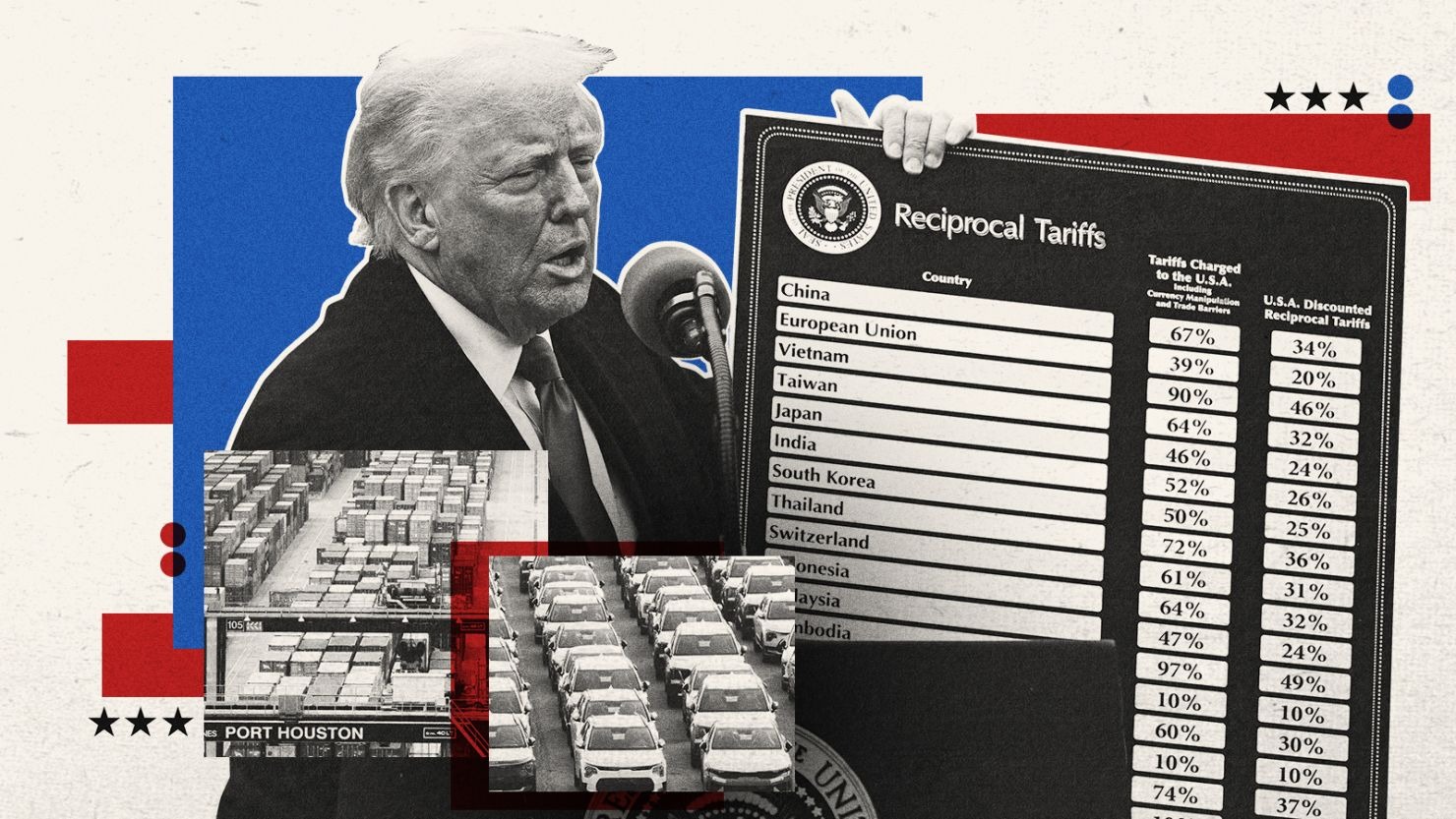
In a bid to placate rising public frustration over escalating living costs, President Donald Trump has teased the idea of sending tariff rebate checks to American households, framing them as a direct return on revenues collected from import duties. The proposal, floated in a November Truth Social post and elaborated by White House economic adviser Kevin Hassett, suggests payments of around $2,000 per eligible individual or up to $2,400 for a family of four, targeted at working-class families earning under $100,000 annually. However, as of late December 2025, the plan remains stalled, requiring Congressional approval to move forward, with Hassett confirming on Dec. 22 that Trump intends to submit legislation in the new year.
Yet, a closer examination reveals these rebates as woefully inadequate compared to the burdens shouldered by ordinary Americans this year. U.S. tariff revenues hit a record $236 billion through November 2025, largely driven by aggressive duties on Chinese goods averaging 47.5% and broader increases on imports from key trading partners. These funds, collected by the U.S. Customs and Border Protection, represent a de facto tax on consumers, as importers pass on the costs through higher prices for everyday goods—from electronics to clothing and food staples.
The proposed rebates fall far behind this figure. Even under the more generous modeling of $2,000 per person (excluding high earners), the payouts would total between $279.8 billion and $606.8 billion depending on eligibility criteria, such as whether dependents or non-tax filers are included—figures that exceed the $158.4 billion in new tariff revenues generated in 2025 after accounting for tax offsets. More realistically, aligned with stalled proposals like the American Worker Rebate Act, the amounts hover around $600 per adult and dependent child, translating to $2,400 for a typical family of four. This would reimburse only a fraction—perhaps 85% at best—of the per-person tariff burden for qualifying households, leaving many working people out of pocket while the policy’s implementation remains uncertain amid legal and budgetary hurdles.
Far more telling is how the vast majority of these revenues—deposited directly into the Treasury’s general fund—bolster the interlocking interests of the federal government and corporate elites. In fiscal year 2025, tariff collections reached $195 billion, contributing to overall federal revenues but doing little to dent the $1.8 trillion deficit. Instead, these funds flow into a budget framework that prioritizes the financial bonds between the state and big capital. Billions support massive defense spending, funneling contracts to arms manufacturers like Lockheed Martin and Raytheon, which profit from heightened global tensions fueled by trade wars. Interest payments on the national debt—projected to exceed $1 trillion annually—enrich bondholders and financial institutions, reinforcing the dominance of Wall Street over public policy.
Moreover, the revenues indirectly subsidize corporate tax cuts and deregulation embedded in recent legislation, allowing multinationals to repatriate profits while shifting production to low-wage havens like Vietnam and Mexico, where imports have surged despite tariffs on China. This dynamic epitomizes state-monopoly capitalism in action: the government acts as a guarantor for elite accumulation, using public resources to stabilize markets and suppress competition. The result? Widening inequality, with corporate profits soaring amid stock market volatility, even as households grapple with disrupted supply chains and rising costs.
In this context, the tariff rebates are not empowerment but pacification—a calculated ploy to divide the working class by pitting domestic laborers against foreign competitors, diverting attention from the real antagonists: the capitalist class and its state enablers. As global tensions escalate, these funds will likely fortify military-industrial ties, funding interventions that secure corporate access to foreign markets and resources. True relief for the proletariat demands dismantling this protectionist facade, not token checks that recycle a pittance of what’s been extracted.
Categories: Economy, U.S. News
 Businesses hike prices amid imperialist trade wars, economic volatility
  Trump regime aids corporations via tax dodges, gambling the future of U.S.
  U.S. ditches 66 global bodies to unleash unilateral domination
  Twin Cities general strike, coordinated actions demonstrate resolve of the people
  The Red Phoenix