
John M. | Red Phoenix correspondent | Colorado–
Fort Collins workers are tired of being stuck in traffic, spending hard-earned wages on gas and car repairs just to get to work. The Front Range Passenger Rail, a proposed 173-mile line from Fort Collins to Pueblo, could change that. On May 14, 2025, the Colorado Department of Transportation (CDOT) and the Front Range Passenger Rail District opened a virtual open house, running through June 15, to hear from the public. For those of us scraping by with meager wages in Northern Colorado, this rail could mean easier commutes and more money in our pockets. But with costs ballooning to $8 billion and service years away, the project smells like a corporate giveaway, designed to benefit big businesses over everyday people. Fort Collins’ working class is speaking up, demanding a rail that puts their needs first.
Getting to work in Fort Collins is a daily grind. Most people drive alone, clogging I-25 and burning through cash for fuel and maintenance. For workers earning around $16 an hour that’s a huge chunk of their paycheck. Public transit options such as buses are often slow and limited, resulting in many individuals being compelled to rely on cars that may be financially burdensome. This setup is not just inconvenient; it is a system that keeps workers struggling, funneling their wages to oil companies and car manufacturers while public transit gets shortchanged.

The Front Range Passenger Rail aims to connect Fort Collins to Pueblo, with stops in Loveland, Longmont, Boulder, Denver, Colorado Springs, and smaller towns. A $66 million federal grant in October 2024 will upgrade freight tracks between Denver and Longmont, targeting 2.2–3 million riders a year by 2030. The rail could cut down on traffic and pollution, making it easier for workers to reach jobs across the Front Range. But the project’s price tag, estimated at $3.2 to $8 billion, and its slow timeline—Fort Collins service won’t start until 2030 at the earliest—raise concerns. CDOT plans to fund it partly through a sales tax vote in 2026, which hits workers harder than the wealthy. For those who need help now, waiting years for a train feels like a slap in the face, especially when big corporations seem to be in charge.
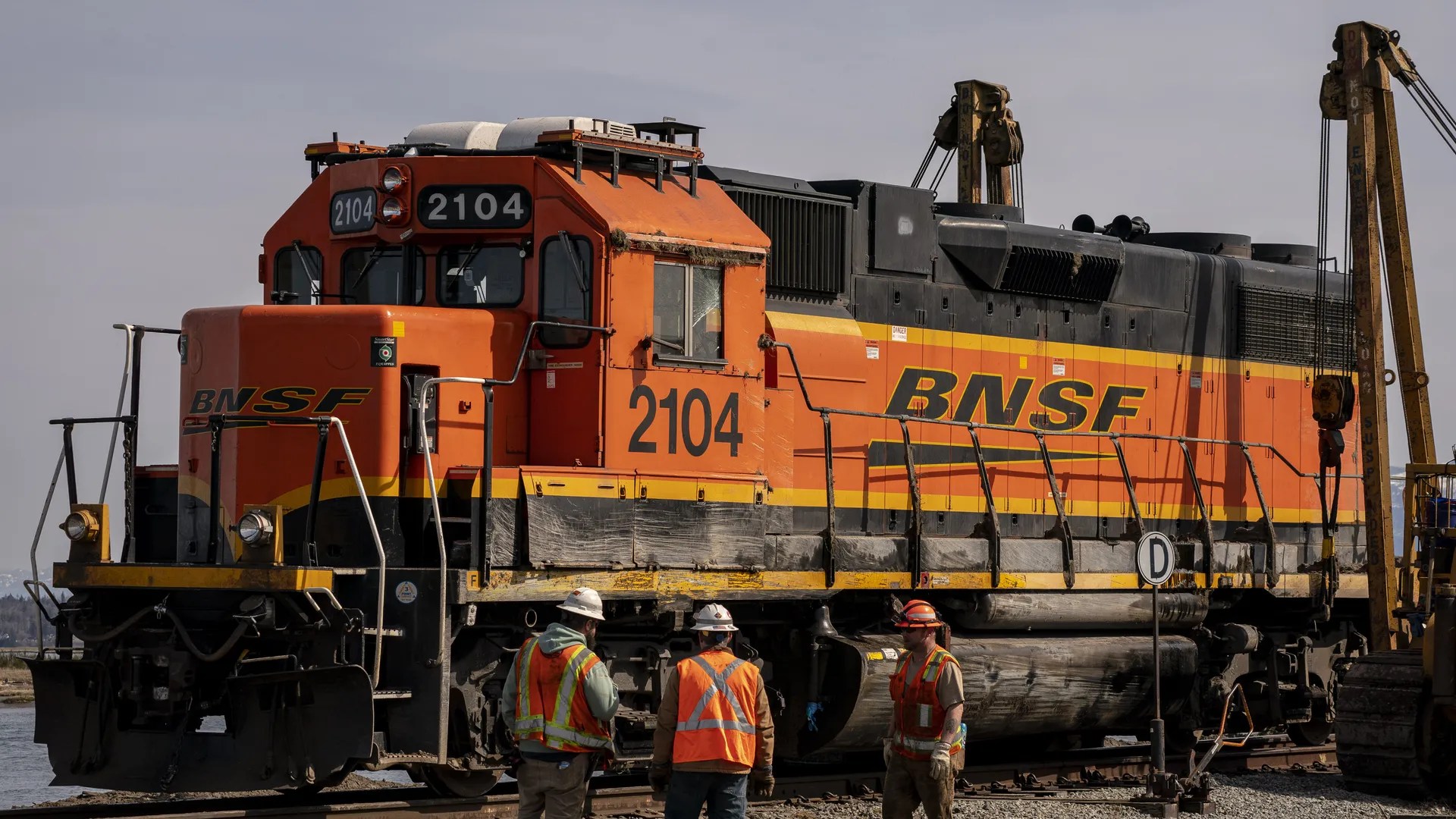
The rail project’s problems come down to corporate control. The owner, BNSF Railway, charges exorbitant fees for tickets. But instead of lowering ticket costs for workers, the $66 million federal grant, praised by Gov. Polis, mainly bails out BNSF for the cost of upkeep for its freight business. CDOT’s reliance on sales tax puts the burden on workers, while big rail firms and contractors pocket the profits. Recent federal reviews of transit funding could potentially impede progress further, resulting in workers facing extended waits while businesses benefit financially.
Fort Collins workers need a rail that’s affordable and practical. Fares should be low, stations should be near where workers live and work, and service should run early and late for shift workers. Instead of taxing workers with sales taxes, the state should make big corporations like BNSF foot the bill—their $6 billion in 2024 profits could cover plenty. These changes won’t happen without pressure from workers themselves. Join the virtual open house at CODOT.gov to share your demands for low fares and worker-friendly service. Connect with transit advocacy groups like the Colorado Rail Passenger Association to push for change. Support local efforts to build a stronger voice for economic fairness. Fort Collins workers can shape the rail into a tool for their benefit, but it will take collective action to make it happen.
Categories: Economy, U.S. News
 Twin Cities general strike, coordinated actions demonstrate resolve of the people
  Unemployment surge signals deeper cracks in U.S. labor market
  Tariff rebate tease is token gesture amid soaring consumer burdens
  Chicago’s budget crisis as case study for necessity of socialism
  The Red Phoenix