

John M. | Red Phoenix correspondent | Colorado–
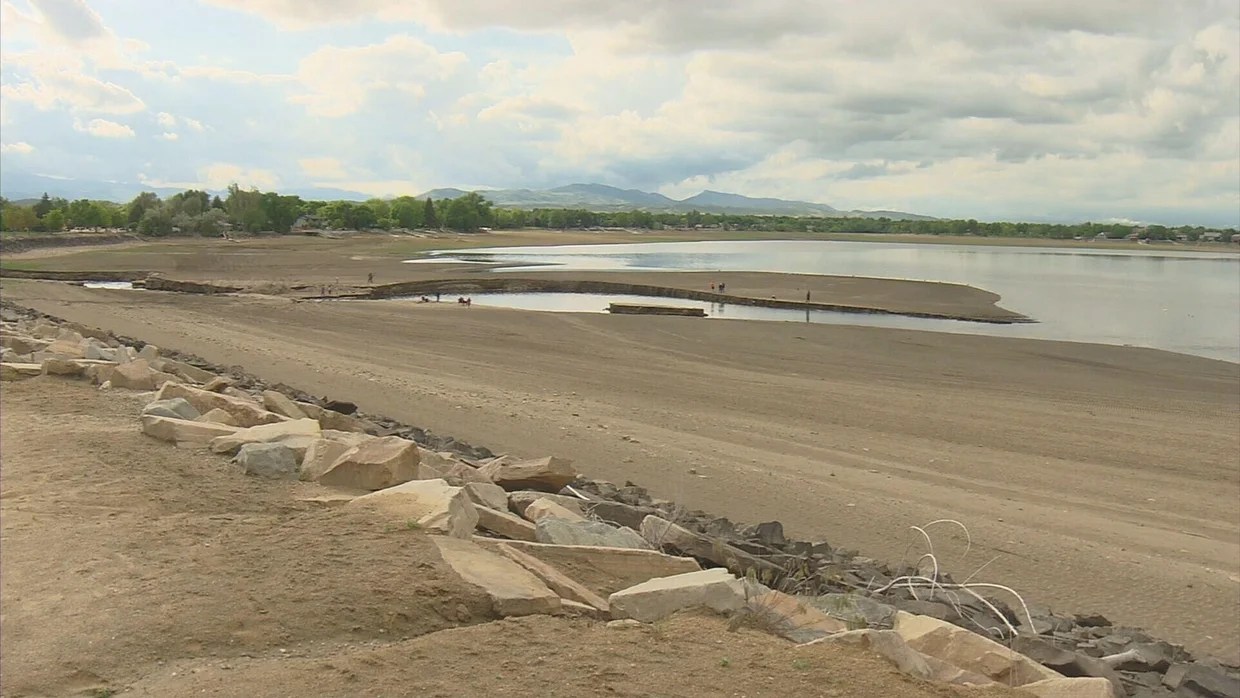
In Loveland, Colorado, Lake Loveland is shrinking at an alarming rate, its muddy banks strewn with dead fish; a haunting symbol of climate change’s relentless assault on working-class communities. Climate change is robbing communities of the water they need to survive and thrive, but we have the ability to chart a better course.
Once a vital lifeline for Weld County farms and a cherished spot for local recreation, the lake is struggling to capture the spring snowmelt that the community relies on for irrigation, jobs, and affordable food.
A recent KCNC report underscores how the Greeley Loveland Irrigation Company, which manages the lake, is grappling with critically low water levels as climate change disrupts the Rocky Mountain snowpack, a crisis worsened by recent wildfires. For a lot of workers, this isn’t just an environmental crisis, it’s a direct threat to their livelihoods, stability, and way of life.
“It’s kind of sad to see it that way,” said Harrison Bennett, a local walking his dog along the lake’s shrinking edge, in an interview with CBS News Colorado. The loss goes beyond scenery: the lake’s dwindling water endangers farms which rely on it to irrigate crops that sustain jobs and keep food prices in check. When water runs short, fields wither, jobs disappear, and grocery costs soar, hitting those who are barely getting by the hardest. Climate change is turning a shared resource into a symbol of struggle for those who keep our communities running.
The Rocky Mountains, which supply the snowmelt that fills Lake Loveland, are getting eviscerated by climate change. Warmer winters mean less snowpack, and what little snow does fall melts too early or not at all. A 2023 study found that climate change has already drained the Colorado River Basin of 40 trillion liters of water since 2000, enough to fill Lake Mead, the nation’s largest reservoir. Snowpack regions, like those feeding Lake Loveland, are losing water twice as fast as other areas because rising temperatures shrink the snow that historically functioned as a natural water bank.

Recent wildfires, intensified by climate change, exacerbate this crisis. The 2020 Cameron Peak Fire, Colorado’s largest on record, burned over 208,000 acres, including high-elevation snow zones. A 2024 Colorado State University study, conducted in the Cameron Peak burn scar, found that wildfires accelerate snowmelt by up to 24 days, with south-facing slopes melting 22 days earlier due to lost tree cover exposing snow to sunlight. Soot and ash from burned trees reduce snow’s reflectivity (albedo), causing it to absorb more heat, while increased wind exposure boosts evaporation and sublimation. The study reported a 20% reduction in snow-water equivalent (SWE, the amount of water in snow), limiting runoff to streams and lakes like Loveland. Four years post-fire, south-facing slopes remain too dry for tree regrowth, potentially causing permanent reductions in snow accumulation, threatening long-term water supplies for agriculture and communities.
These wildfire-driven changes, fueled by climate warming and drought, reduce water availability which directly affects irrigation and job security.
As the Greeley Loveland Irrigation Company scrambles to secure water rights, working-class communities bear the brunt. Farm workers face layoffs, and small farmers, squeezed by corporate agribusiness, risk ruin without irrigation. Families lose access to Lake Loveland for fishing or recreation, left instead with cracked mud and the stench of decay.
Meanwhile, big corporations, like those in agribusiness and oil, aren’t helping. They guzzle massive amounts of water — 80% of the Colorado River goes to agriculture, much of it for water-intensive crops like alfalfa to feed livestock for mega-dairies. Oil and gas operations in the region also drain billions of gallons, polluting waterways in the process. Yet, when water cuts are proposed, it’s often the workers and communities that face the squeeze, not the corporate giants.
Solutions like modernizing irrigation systems, reducing water waste, and restoring river ecosystems can help preserve our water supply, but only if they prioritize working communities over corporate profits. The working class must demand a seat at the table in water management decisions to ensure our communities’ needs come first. Community-driven efforts, such as those at the 2025 Colorado WaterWise Symposium or Uncompahgre RiverFest, provide opportunities to learn about sustainable practices, connect with others, and organize for change.
Beyond technical fixes, we need systemic change to address the root causes of the climate crisis. This means holding corporations accountable for their outsized water use and pushing for policies that curb greenhouse gas emissions driving the warming that’s drying-up the lakes and rivers. Community members can lead this fight by joining local environmental groups, attending town halls, or supporting candidates who prioritize climate justice and economic fairness. Every step forward, whether it’s a community meeting or a policy change, builds momentum toward a future where water and jobs are secure.
Lake Loveland’s crisis is a wake-up call, but it’s also a chance to act. Climate change affects the working class the most, stripping away the resources we need to live with dignity. Together, we can demand policies that protect clean water, preserve jobs, and ensure affordable food for all. Let’s unite to build a future where communities not only survive but flourish, leading the way toward a sustainable tomorrow.

Categories: Environment, U.S. News
 Oregon’s record low snowpack is a symptom of capitalist greed
  Capitalist interests target climate research center in Colorado
  Northern Colorado reels from extreme gusts in record-breaking warm winter
  Price of climate change, Hurricane Melissa leaves Caribbean in ruins
  The Red Phoenix