
John M. | Red Phoenix correspondent | Colorado–
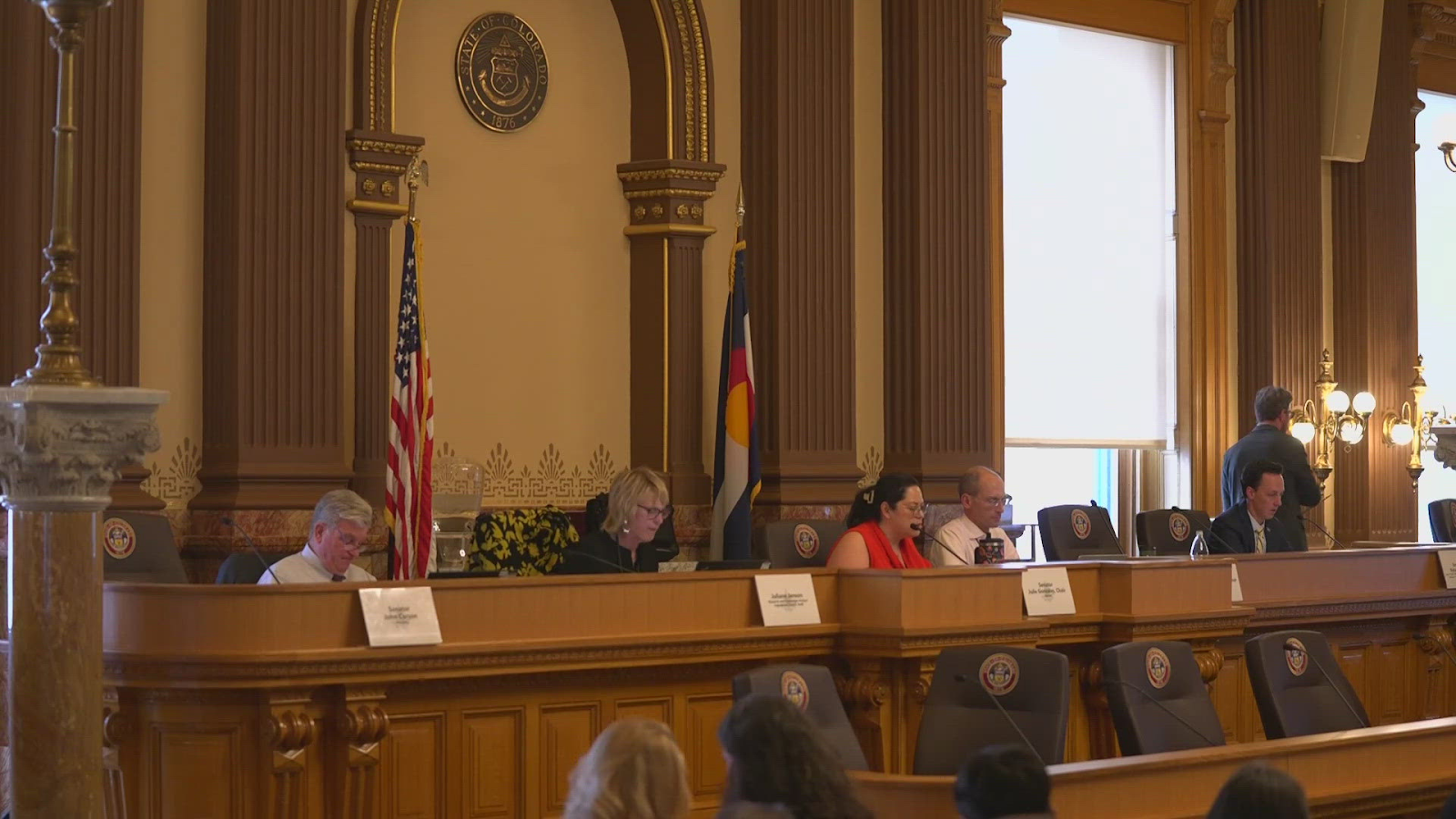
With the return of President Trump, and his vile hatred of the transgender community, a small light of hope is shining from Colorado. On the night of May 6, Colorado State legislature passed House Bill 25-1312, also known as the Kelly Loving Act. It offers legal protections for transgender people, in a time where the Trump administration is trying to erase their existence. The act was named in honor of Kelly Loving, a transgender woman whose life was tragically taken at the Club Q Nightclub shooting in Nov. 2022 in Colorado Springs.
This act takes discrimination head-on by defining dead-naming and misgendering as discriminatory acts and prohibiting them in public places, which include places of work. Transgender individuals, particularly those from lower-income backgrounds, often face economic marginalization due to workplace discrimination. Reduced earnings because they had their hours cut to avoid hostile settings, or retaliation for wanting to assert their gender identity are two examples of their hardships. Constant abuse and mistreatment from employers, co-workers and customers leads to most individuals being forced to quit for their own safety and mental health. Due to financial instability, it’s become even harder to afford the ever-increasing cost of living, and many are at risk of becoming homeless. Lack of steady income can also make it impossible to afford legal help to challenge tyrannical employers’ abuses. By recognizing and protecting transgender rights, the Kelly Loving Act sends a clear message that discriminatory practices will not be tolerated. This legal stance will give transgender workers the power to stand up against all forms of workplace discrimination, knowing that they have more protection.
School teachers would have to be inclusive, for any reason a student would want to be called by their chosen name. Transphobic harassment disrupts valuable learning time for the student, leading to excessive absenteeism. Working-class parents of transgender students would also greatly benefit from this act. Parents often face economic challenges due to workplace discrimination and may struggle to afford the costs associated with relocating to safer districts or hiring private educators to avoid transphobia in schools. They also lose money from having to pick their child up early from school, and have no other options for childcare. By protecting transgender rights, the act alleviates some of these burdens, ensuring that parents do not have to miss work to safeguard their children’s mental health and safety. This legislation empowers both students and parents by fostering a supportive school environment and reinforcing anti-discrimination measures at work, thus contributing to the overall well-being and financial stability of transgender families.
Updating gender markers is crucial for transgender individuals, particularly those from working-class backgrounds, as it allows them to align their legal documents with their true identity. This act directly impacts their ability to navigate daily life without facing constant invalidation. When legal documents reflect a person’s gender identity, it can significantly reduce instances of misgendering and dead-naming, which are not only emotionally distressing but can also lead to discrimination in various settings, including workplaces. This protection is critical for individuals who face economic disparity due to discrimination at work, as it helps to create a more equitable and respectful environment.
The Kelly Loving Act ensures that family courts take into consideration a child’s gender identity, fostering a supportive and understanding environment for transgender children within the family unit. This protection is especially crucial for working-class parents who may not have the financial means to shield their children from transphobia. By safeguarding these rights within the legal framework, the act alleviates some of the economic and emotional burdens faced by these families, allowing parents to focus on their work and family without the constant fear of discrimination and hostility.

This was, however, no easy win. After a grueling 8-hour battle on the eve of this year’s legislative session adjourning, the heavily amended bill was eventually passed with a 20-14 vote. All the Republican senators and two Democratic senators voted no. The amendments softened some of the bill’s original provisions, but support and advocacy groups stood firm, and backed the final version as a vital step forward and kept the focus on protecting people’s right to live their authentic selves. While the passage of the Kelly Loving Act marks a significant legal victory against transphobia, such gains are not guaranteed to translate into immediate or equitable change, particularly for working-class trans communities facing economic and systemic barriers. Legal protections often face resistance from well-funded opposition, or falter in under-resourced areas where implementation lags. To protect local communities, grassroots action is crucial. Organizing community education workshops to foster allyship, advocate at school board meetings to ensure compliance with the Act’s provisions, establish trans-led community safety networks, form coalitions with unions, racial justice organizations, and tenant groups to link trans liberation with broader class struggles, addressing the economic roots of transphobia.
The passage of the Kelly Loving Act was a massive achievement and a much-needed shift towards progress in a time of unimaginable cruelty, reminiscent of the dark ages. It represents a powerful stand against discrimination, honoring Kelly Loving’s legacy by ensuring that every individual is respected and valued for who they truly are. Colorado’s commitment to inclusivity and the protection of human rights sets a precedent that we hope more states can follow, fostering a nation where everyone, regardless of gender identity, can live free from fear and prejudice. It is this bare minimum we must demand in the building of our movement, and we must see the refusal to give this recognition of basic humanity to working people, as the spark to a revolutionary fire.
Categories: LGBTQIA+
 On this Transgender Day of Visibility, there is hope in the revolution!
  Experts warn U.S. in early stages of transgender genocide, but truth may be worse
  Transphobic rhetoric fuels right-wing terror
  Reclaiming the radical history of Pride
  The Red Phoenix