
En Marcha #2136, May 7 to 13, 2025 | Translated from Spanish for the Red Phoenix—
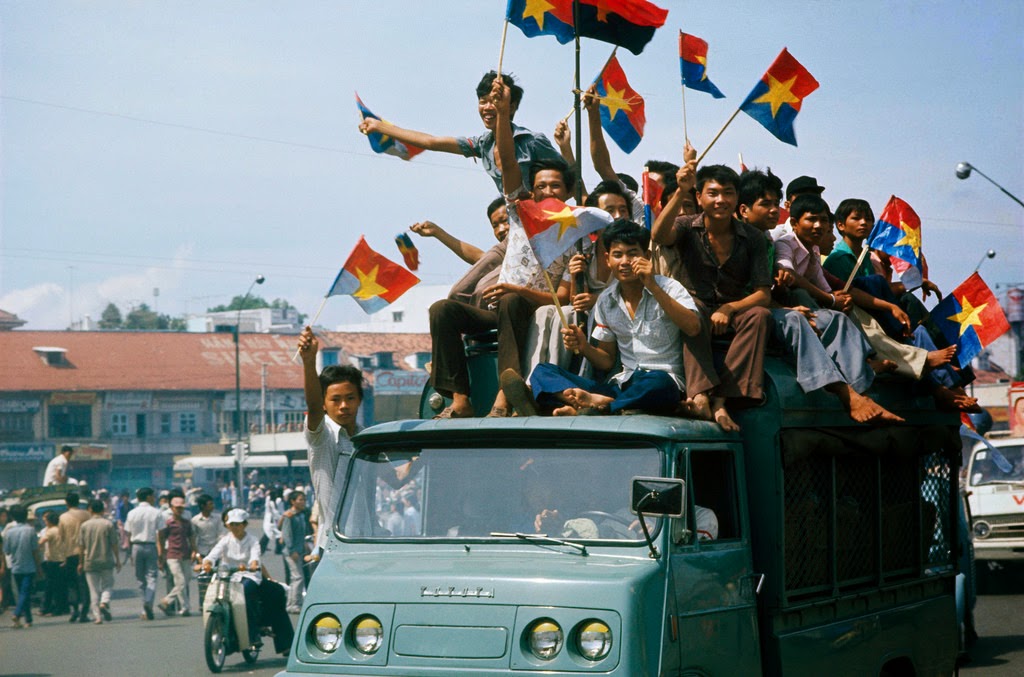
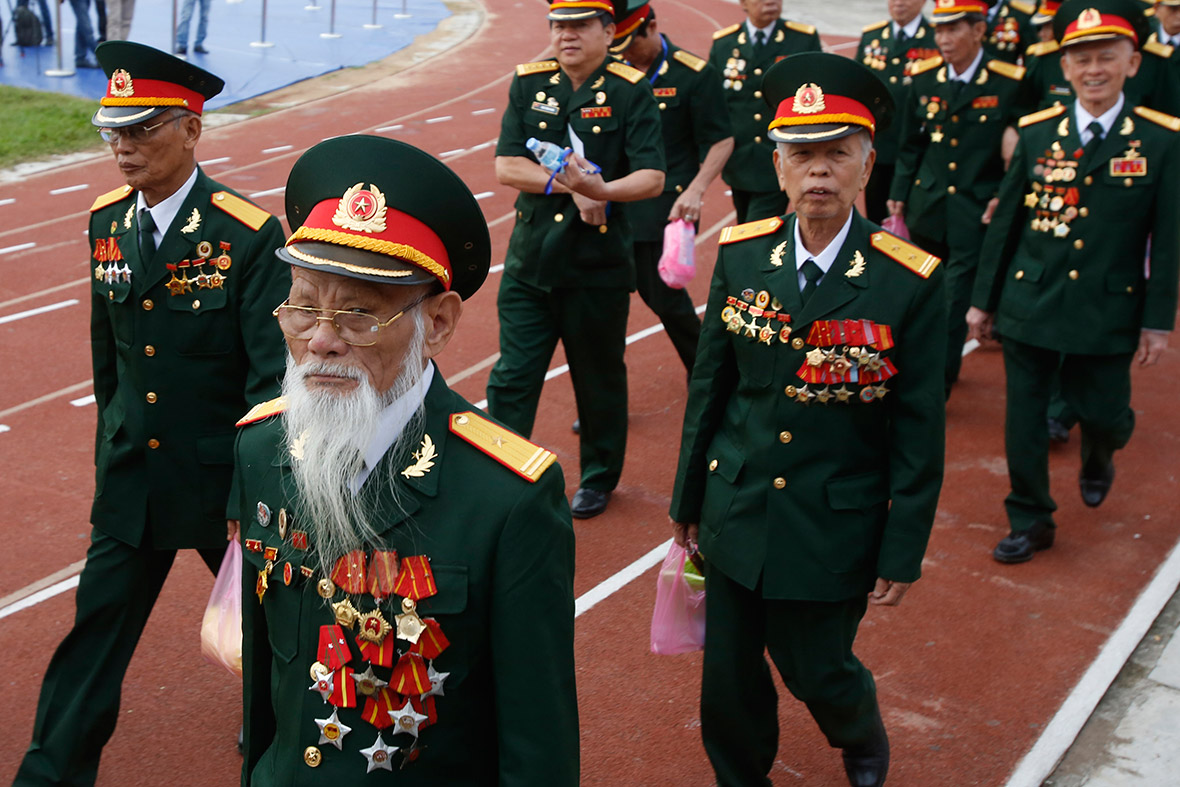
April 30 marked the 50th anniversary of the defeat of U.S. imperialism in Vietnam. This historic event is of great importance for the anti-imperialist and Marxist-Leninist communist movement internationally; seen in the heroic struggle of the Vietnamese workers and people; it affirmed the solidarity, brotherhood of peoples and the internationalist struggle; it meant the reunification of the country, the victory of its self-determination and independence.
Between March and April 1975, U.S. diplomats and military began fleeing Saigon, the capital of South Vietnam. It was clear that the advance of the National Front for the Liberation of Vietnam was unstoppable. The withdrawal of most U.S. troops during the previous months evidenced the political-military defeat that the Vietnamese people had already inflicted on the U.S.
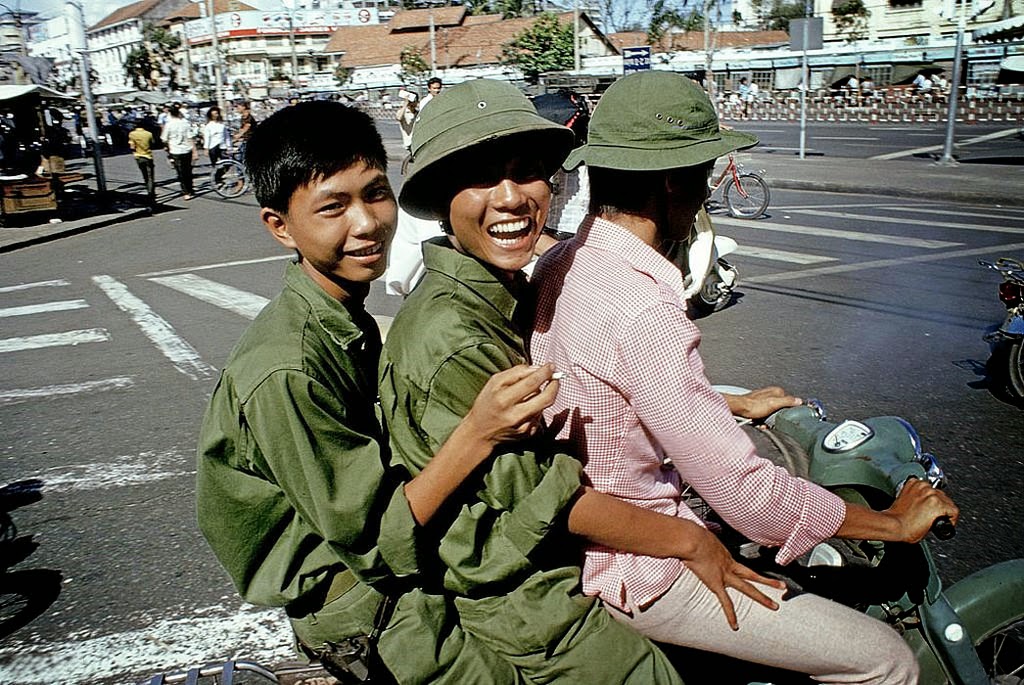
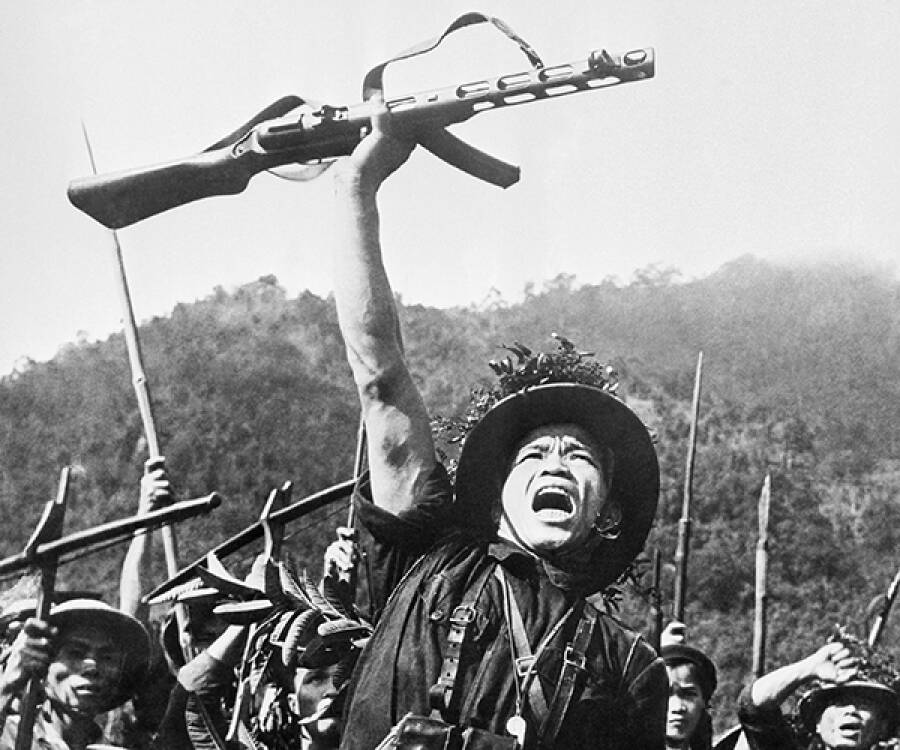
The victory was made possible by massive popular support for the troops of the Liberation Front and the Armed Forces of the Democratic Republic of Vietnam (North Vietnamese Army). “We had to use the small against the big, antiquated weapons against modern weapons.” “In the end, it is the human factor that determines the victory,” the revolutionary and head of the Vietnamese People’s Army Vo Nguyen Giap would say. The fundamental element for the victory was the people in arms, the same one that allowed for the annihilation of the military forces of imperialism, thus allowing all its political and military maneuvers to be undone. In this process, the revolutionary forces combined guerrilla warfare, insurrection in the towns and cities, workers’ strikes and boycott actions by the masses. The period of simultaneous offensives and insurrections, which began with Tet in 1968 and ended with the liberation of Saigon in 1975, was the result of the coordination of the military and political struggle.
How did this victory come about?
The workers led by the Viet Minh, the League for the Independence of Vietnam, founded in 1941 by Ho Chi Minh and by the Communist Party, raised armed resistance to the Japanese and later the French invader. The latter, financed and supplied by the United States, were defeated at the Battle of Dien Bien Phu in May 1954.
In that same year, negotiators from France and the Viet Minh signed the Geneva Agreement to temporarily establish a territorial demarcation line that would divide Vietnam between French military forces and troops led by Ho Chi Minh.
In 1957, guerrilla forces fighting in South Vietnam and North Vietnamese troops took up arms to reunify the country. By 1963, reunification seemed imminent, so U.S. imperialism organized a provocation in the Gulf of Tonkin in 1964 to justify sending massive troops to Vietnam in 1965.
Nearly 600,000 U.S. troops were sent to Vietnam during the conflict to confront Liberation Front guerrillas, while the U.S. Air Force bombed Vietnam in a bloody and disproportionate way. According to some records, the United States dropped 7.5 million tons of bombs on Vietnam, Laos and Cambodia, a far greater amount than that used during World War II by all sides.
Vietnamese guerrilla tactics, supply routes, tunnels, traps, lightning attacks, etc., proved to be deeply resistant to the enormous technological power of the United States. During nine years of subjugation of the local population, the U.S. military never managed to break the will of the Vietnamese workers and people.
The My Lai massacres, in which U.S. troops murdered more than 700 men, children, and women (who were raped before being massacred), or the agonizing images of children with their skin melted by chemical bombs (white phosphorus, napalm, and Agent Orange), are examples of the criminal U.S. invasion. These actions of the Yankee army led to the indignation of the youth, workers and peoples of the world. Marches, rallies, festivals and other actions for Peace and in solidarity with the Vietnamese people, were generalized world-wide. To cite three examples, in 1968, millions of university and high school students in the United States staged a massive boycott in their schools as a show of opposition to the war; in 1969, thousands of U.S. citizens took the day off from work to participate in local demonstrations across the nation; in 1971, several groups of Vietnam veterans threw more than 700 medals down the steps of the Capitol. This movement in rejection of the Vietnam War was repeated all over the world.
Since the offensive carried out by the Liberation Front in 1969, called the Tet Offensive, the Vietnamese people took the initiative. The liberation of Saigon in April 1975 was the end of a political-military process that defeated US imperialism and its lackeys. This heroic deed of the Vietnamese people headed by their Communist Party shows the certain possibility of the defeat of imperialism.
The heroic struggle of the Vietnamese people had a profound impact on popular culture, with music, film and literature reflecting opposition to the war. “The black eagles break their claws / against the heroic people in Vietnam,” Quilapayun sang, and there were the great concerts for peace that would star figures such as Jimmy Hendrix, The Who, the Rolling Stones and John Lennon.
Vietnam was an encouragement for struggles for social and national liberation in the dependent countries. Algeria, Angola, Nicaragua, El Salvador and Guatemala were several of the places where the guerrilla struggle would have a great influence of the tactics and strategy of the Vietnamese workers. This victory strengthened the anti-imperialist and anti-colonial movement, which spread throughout the world, promoting the struggle of the peoples for self-determination and independence.
Categories: U.S. News
Related Articles
-
 “Red Aid” Service to the People Program builds connections in communities, labor movement
-
 Left-right divide among Ohio union workers manufactured by capitalist class
-
 Experts warn U.S. in early stages of transgender genocide, but truth may be worse
-
 Erasure of Black WWII heroes a blow to historical truth, working-class unity
 The Red Phoenix