
Thomas K. | Red Phoenix correspondent | Ohio–
The weekend before Trump’s inauguration, the working masses and oppressed peoples — women, people of color, queer community members, immigrants, and allies — banded together across the country for marches and rallies to resist the incoming administration. These demonstrations brought awareness to human rights issues for many marginalized communities by standing together as a collective voice of self-branded “imperfect friends.” One such march was held in Columbus, Ohio, which was attended by over five hundred people, and where the Red Phoenix interviewed one of the organizers.
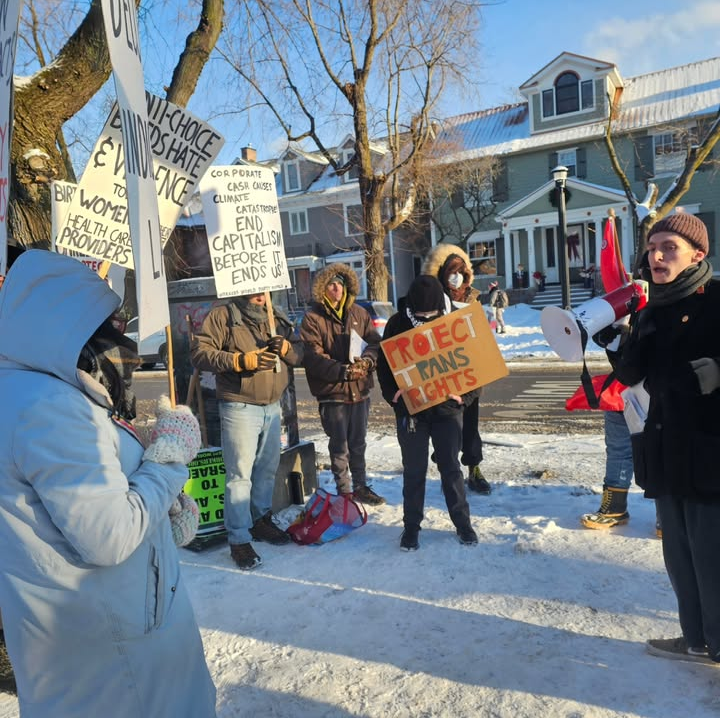
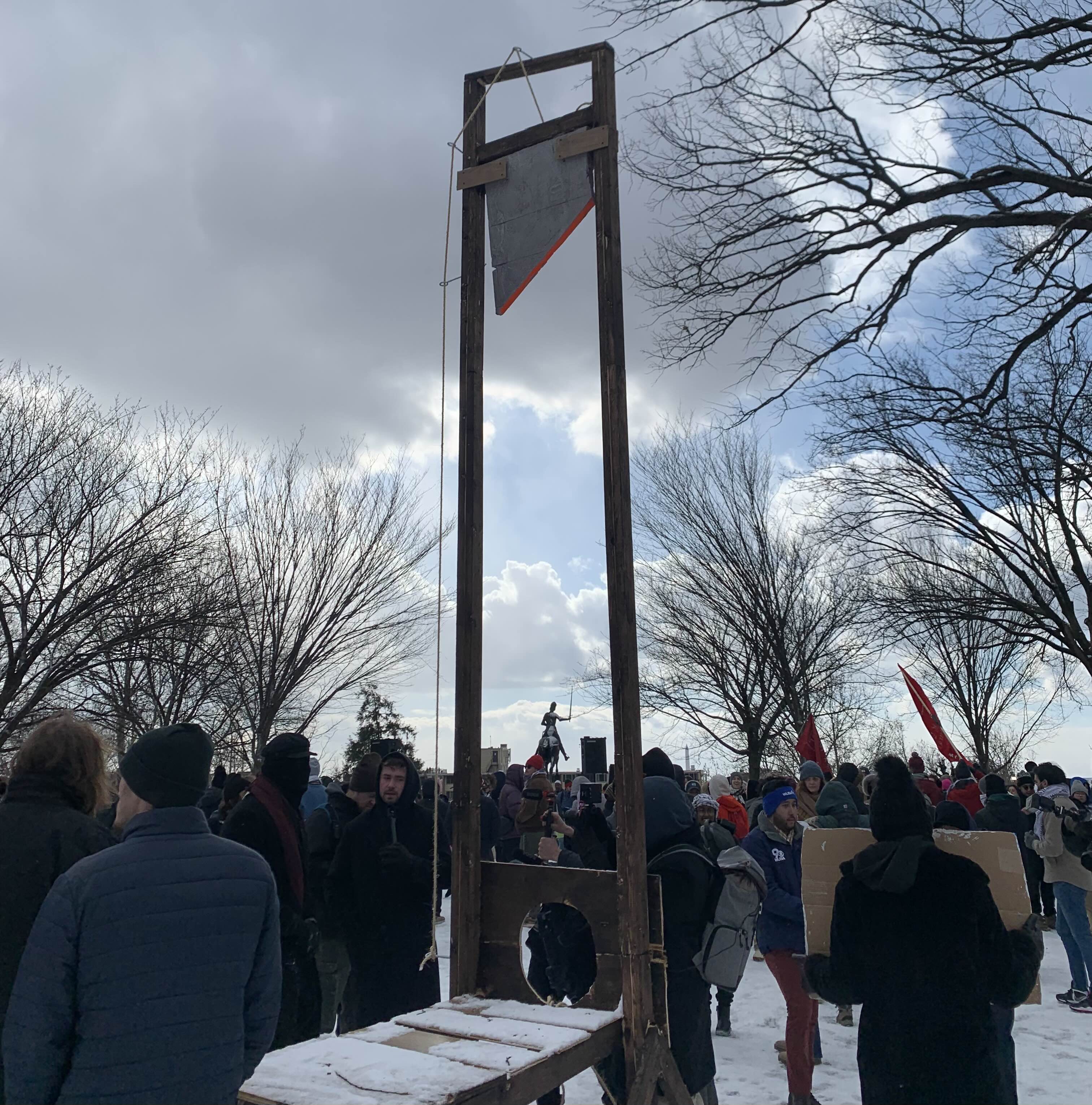
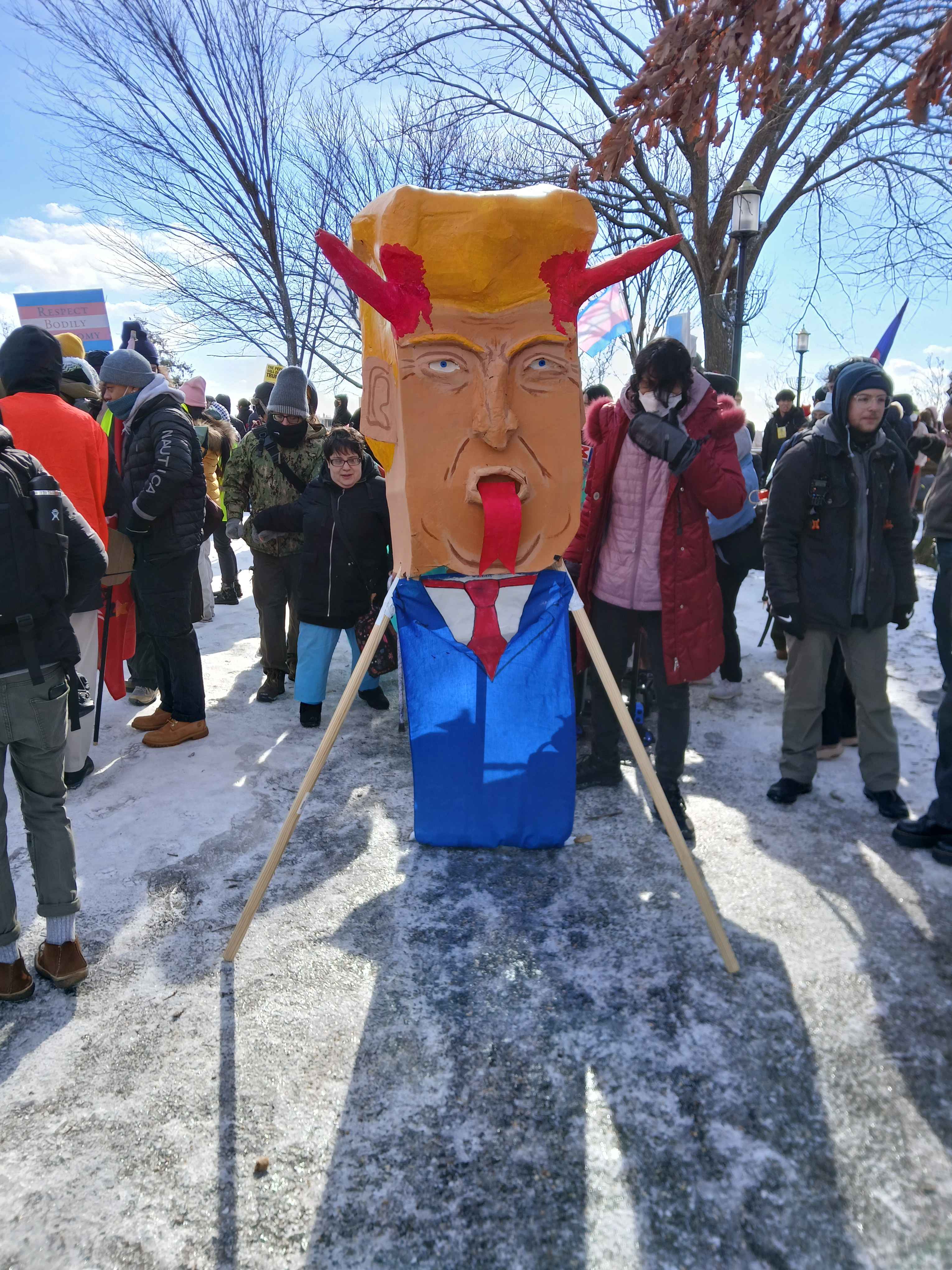

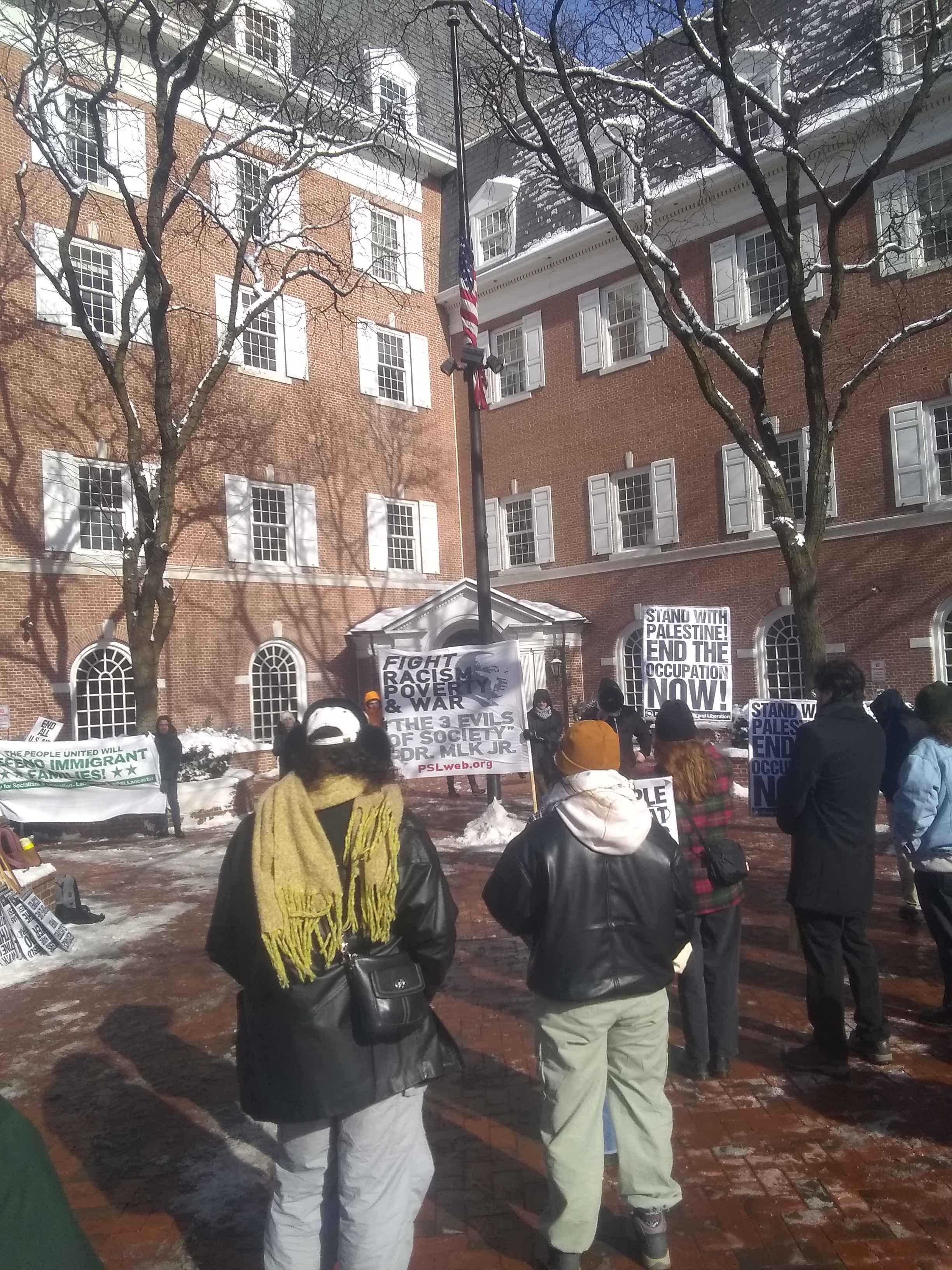
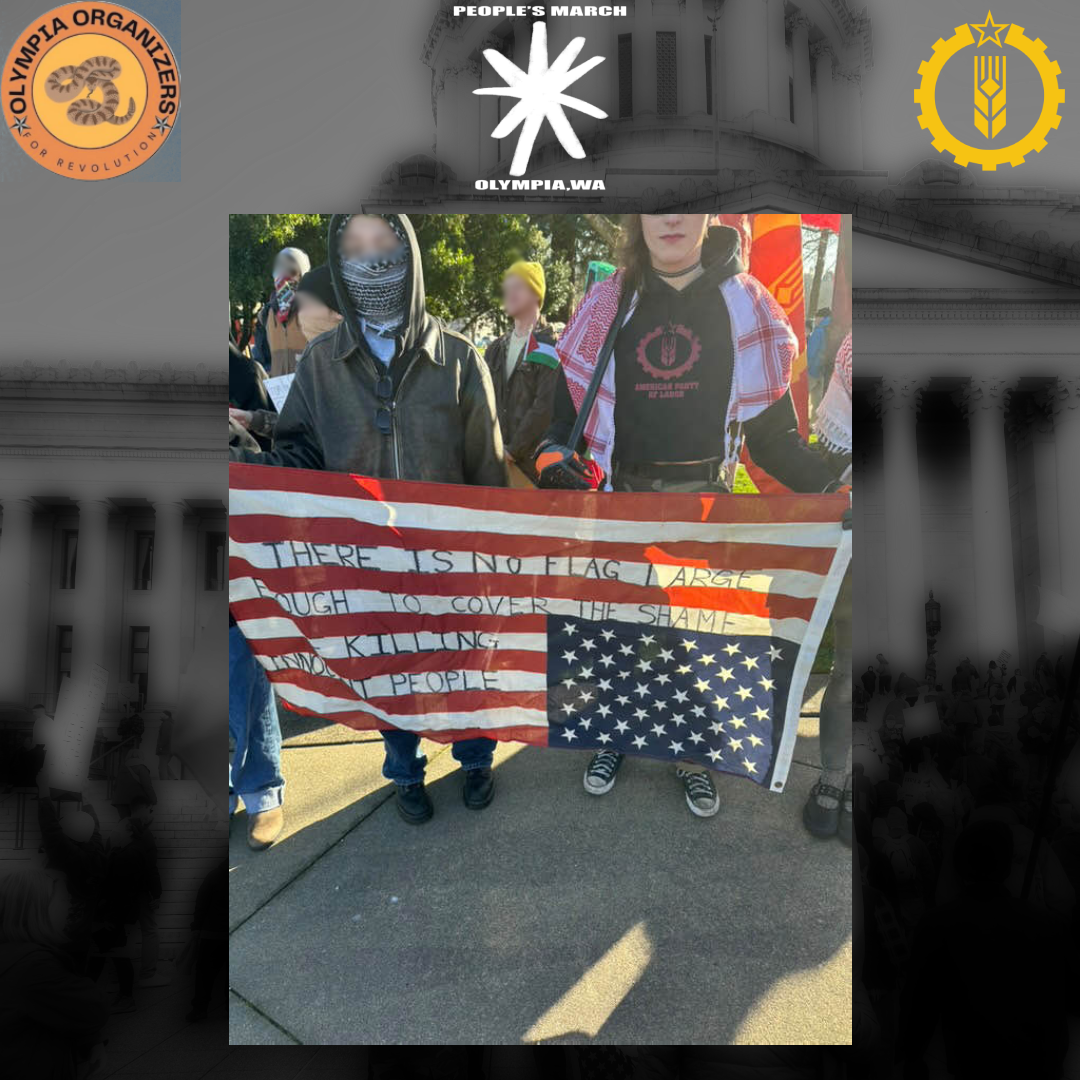

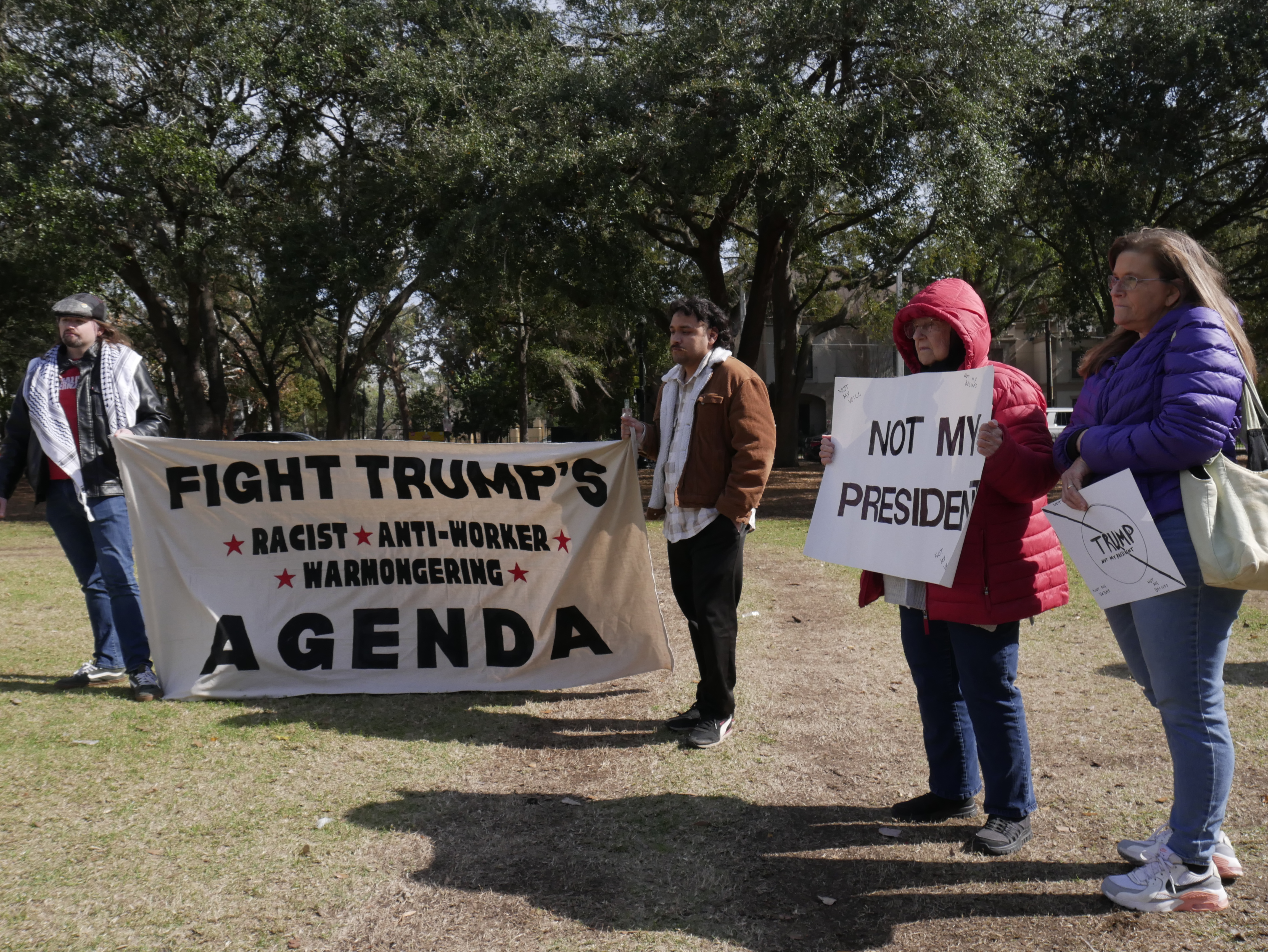

The Columbus event began with a rally in a local park with inspiring speeches and calls to action. From there the people marched with signs and banners over a mile to the Statehouse, all the while echoing chants of solidarity and unity, where local representatives from varying organizations spoke about their organizing efforts and ways to get involved, and petitioned everyone to stay informed and active.
The Red Phoenix interviewed event organizer Leanna Rocheleau.
“From my perspective, the People’s March was more than a demonstration; it was a powerful moment of unity, resistance, and shared vision. Standing in community with people from all walks of life — LGBTQIA+ individuals, BIPOC communities, immigrants, and allies — was a profound privilege. Together, we created an energy that felt unstoppable, a collective roar demanding change and calling out systems of oppression.”
When asked about the struggles the group had in organizing the event, Rocheleau had this to say:
“One challenge I’ve encountered is finding the fighters: those ready to dedicate themselves to this work long-term. The enormity of the fight can feel isolating, but events like this remind me that our numbers are growing. However, we faced significant obstacles in organizing the march, including intimidation from the city and police regarding permits. The financial burden was staggering: $1,700 for police presence to block streets, $1,400 for liability insurance, and $625 for a permit at the Statehouse. These expenses added up quickly, creating barriers that make organizing accessible only to those with deep financial resources.”
As a point of clarification it is important to note that the group was unable to obtain a permit from the city. Instead they invoked their Constitutional right to demonstrate. After pressure from a local activist, the Columbus Police Department Dialogue Team eventually reached out to assist with street closures and traffic control for marchers.
Another major talking point of the event was House Bill 315 which had been recently ratified at the time of the march. The bill allows for police departments in Ohio to charge up to $75 per hour for individual video release, capped at $750. Covered under this would be body cam, dash cam, and jail security footage. Rocheleau voiced criticisms of HB315:
“House Bill 315, passed hastily without public hearings or transparency… This creates significant financial barriers to information critical for public accountability, disproportionately affecting marginalized communities and hindering public news sources from obtaining and releasing footage.
“While Governor DeWine stated that the fees are not mandatory and are at the discretion of individual agencies, this raises concerns about inconsistent enforcement and a lack of clear guidelines regarding whether and how these fees will be applied. Additionally, it is troubling that the policy applies to footage from cameras already funded by taxpayer dollars. Transparency and accountability should never come with a price tag, and this legislation sets a dangerous precedent by prioritizing cost over justice and equity.”
As these marginalized communities continue to fight together for basic human rights it is critical that we all become active and organize ourselves. We have a responsibility to stay informed and educated on the events happening not only in our communities but the world over. It is our duty as a society to stay up to date on current events and stay connected with our neighbors and “imperfect friends.”
Categories: Interview, U.S. News, Workers Struggle
 Union workers in solidarity: “We’re all fighting for the same thing”
  At Youngstown State, Cuts Target Diverse Faculty and Programs
  CTU Attacked By Media Because They Have and Use Worker’s Power
  Baltimore Workers March in Solidarity With Amazon Union Vote
  The Red Phoenix